
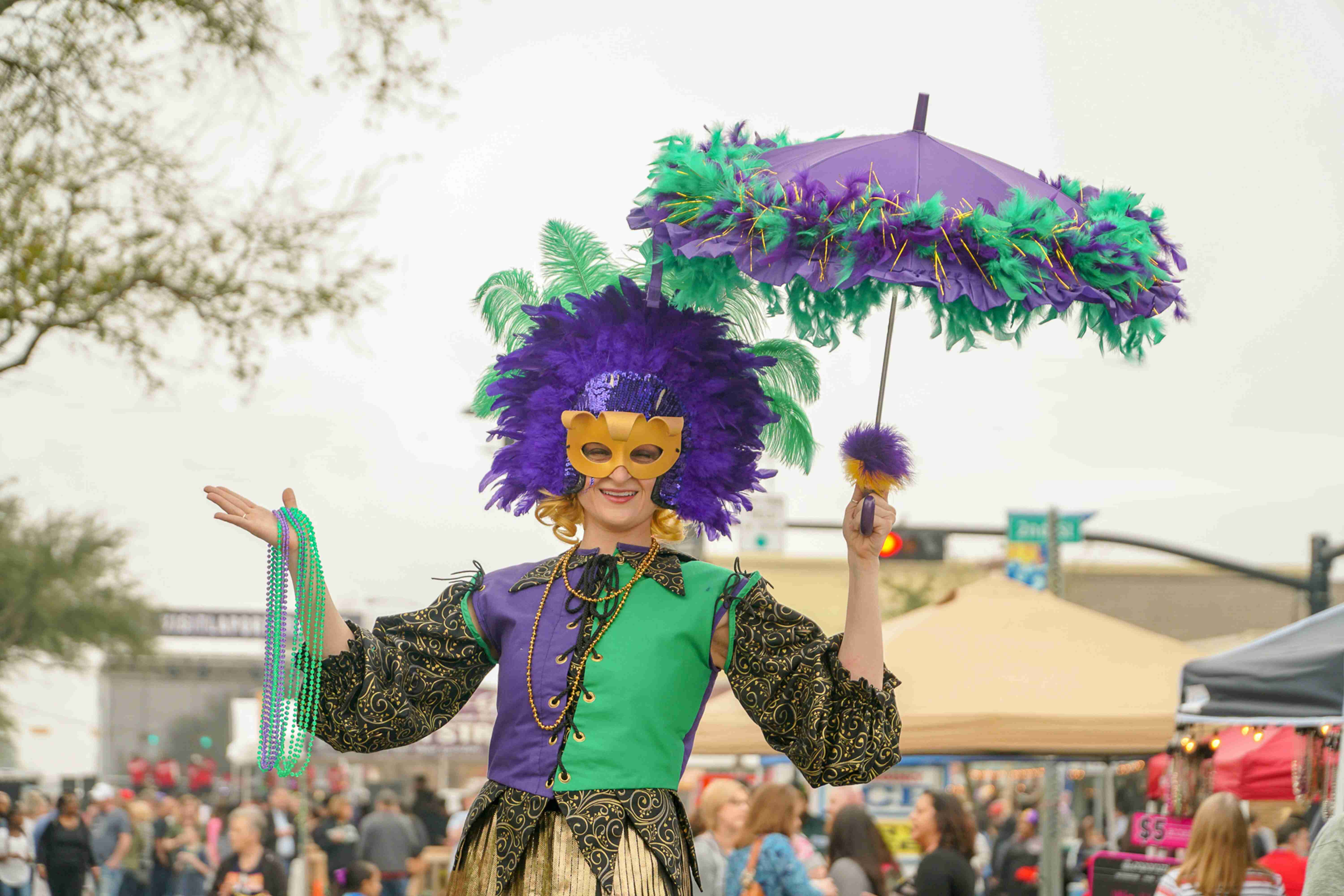
Mardi Gras and Carnival are the same celebrations
Though Mardi Gras technically refers only to Fat Tuesday, the Mardi Gras season actually begins on Epiphany, a Christian holiday celebrated on January 6 that is otherwise known as Three Kings Day or the Twelfth Day of Christmas.

Mardi Gras may or may not have pagan roots
A popular theory holds that Mardi Gras’ origins lie in ancient pagan celebrations of spring and fertility, such as Saturnalia and Lupercalia. Some experts contend, however, that Mardi Gras-type festivities popped up solely as a result of the Catholic Church’s discouragement of sex and meat during Lent.
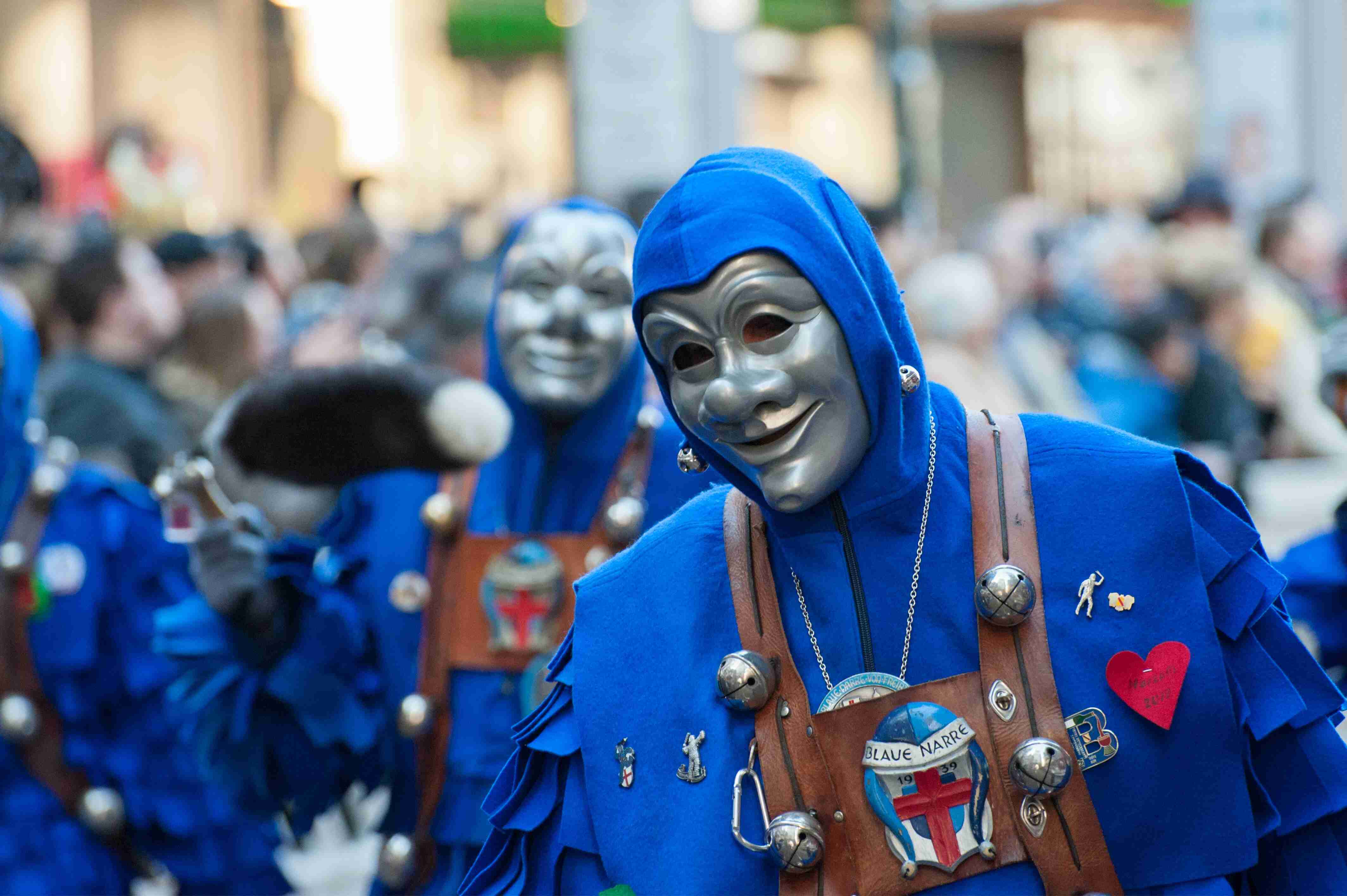
Mardi Gras occasionally gets canceled
Since Comus ushered in the modern era of Mardi Gras in 1857, the New Orleans festivities have been canceled about a dozen times. Most of those cancellations came during the Civil War, World War I and World War II, though revelers also stayed home during an 1870s yellow fever outbreak.

King Cake is only eaten during Mardi Gras
Available only during the Mardi Gras season, king cake is typically made with brioche dough. Braided and laced with cinnamon, the dough is then glazed with purple, green and gold sugar or covered in icing in those same Mardi Gras colors.

Some krewes refused to racially integrate
Racial exclusion has not been limited to the distant past. In 1992, after an acrimonious debate, the New Orleans City Council passed an ordinance that prohibited krewes from discriminating on the basis of race, religion, sexual orientation or national origin. Rex pledged to immediately integrate, but Comus, Momus and Proteus chose to stop parading rather than open up their ranks to Black people.